
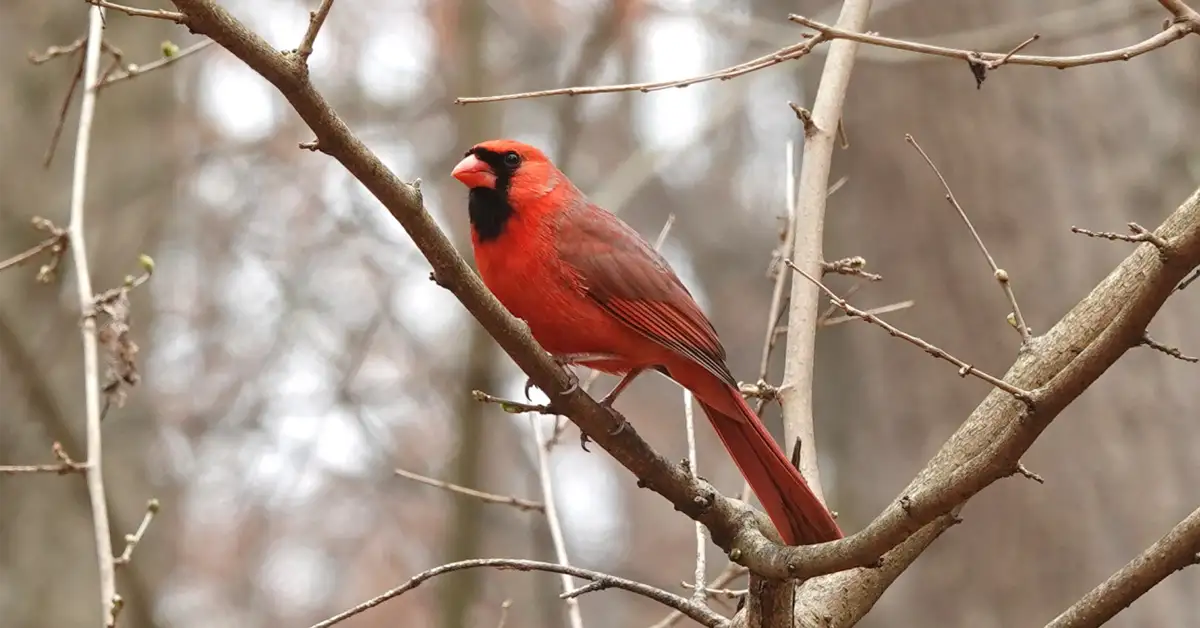
There is a good chance you have watched birds before.
Maybe a bright red cardinal landed outside your kitchen window. Maybe you stopped to watch a hawk circle above the highway. Maybe you have heard an owl calling from the mountains after dark, even if you never actually saw it.
That is bird watching.
Birding is what happens when you start wondering what kind of owl it was.
Then you download an app. You buy a pair of binoculars. You learn that the little yellow bird you saw beside the trail was not simply a “yellow bird,” but perhaps a Hooded Warbler. You start keeping track of what you have found. Before long, you are taking the long way home because somebody reported an unusual bird near a lake.
At that point, congratulations: you have discovered what might be the greatest real life version of Pokémon GO ever designed.
Except the creatures are real.
And some of them are considerably harder to find. Are you up for the challenge?
Bird Watching vs. Birding: Is There Really a Difference?
Traditionally, bird watching has described the casual enjoyment of observing birds, while birding has carried a slightly more active connotation.
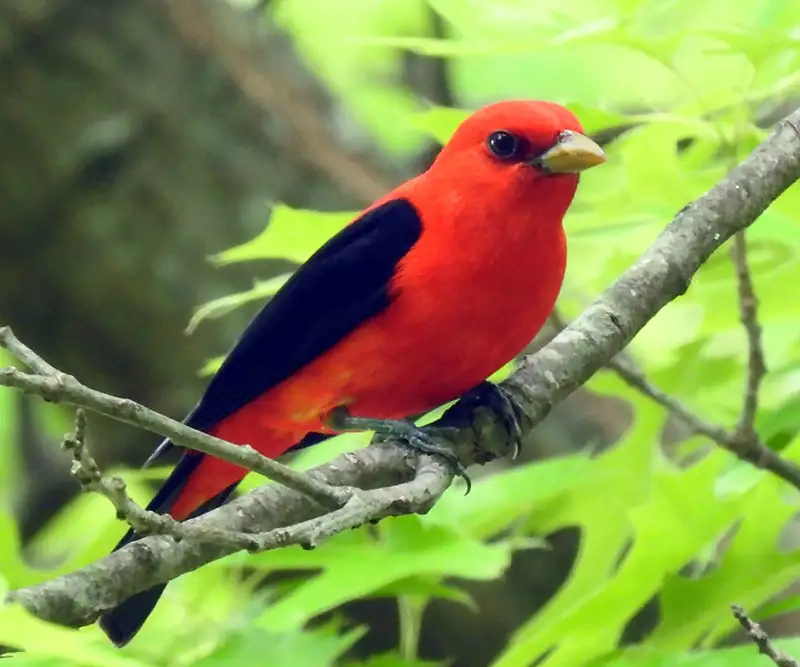
A bird watcher might enjoy cardinals and chickadees visiting a backyard feeder. A birder may head into the woods specifically hoping to identify a Scarlet Tanager, add a new warbler to a life list, photograph a Peregrine Falcon or record everything encountered during a morning hike.
Today, however, the line between the two is increasingly blurry. Audubon broadly defines birding as the act of appreciating and observing wild birds and has encouraged a more inclusive use of the word. You do not need an expensive spotting scope, encyclopedic knowledge or a life list hundreds of species long to call yourself a birder. If you enjoy finding birds, you qualify.
Still, there is something about actively searching for birds that changes the experience.
Once you begin identifying species, an ordinary walk through the woods becomes a scavenger hunt.
That is where the Pokémon GO comparison starts making sense.
The Original Location Based Collecting Game
Think about it.
Different birds appear in different habitats. Some are everywhere. Some are seasonal. Some only turn up during migration. Some are difficult to see even when you know they are nearby. A few are rare enough that birders will travel considerable distances just for the chance to add one to their “life list.”
That sounds familiar.
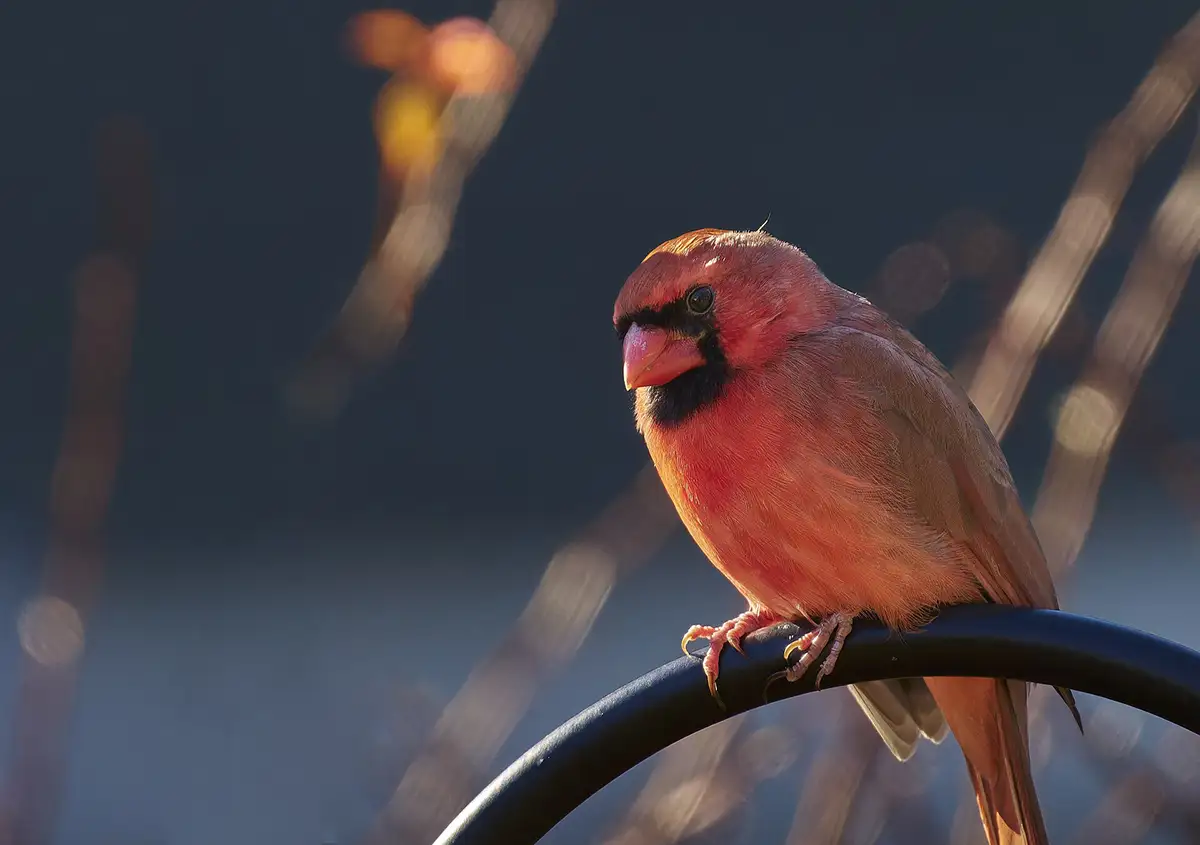
Your Northern Cardinal is basically an early game encounter. Beautiful, unmistakable and fairly easy to locate.
Then you graduate to an Indigo Bunting.
Perhaps a Scarlet Tanager.
Maybe you hear that a Peregrine Falcon has been seen near the cliffs at Breaks Interstate Park.
Now you are going somewhere specifically because a particular species might be there.
Apps make the comparison even better. Cornell Lab of Ornithology’s Merlin Bird ID can help identify birds by appearance and even by their songs and calls, while eBird allows birders to record sightings, maintain lists and see what other people have observed in an area. In other words, your phone can essentially become a birding Pokédex.
There is, of course, one important difference.
You do not capture anything.
You find it. You identify it. You enjoy the fact that, for a few seconds, you noticed something wild that might have gone completely unseen by everyone else around you.
Then you let it go about its business.
Why Pike County Is Made for Birding
Pike County’s mountainous landscape creates an impressive variety of bird habitat within a relatively small travel area.
There are wooded ridges, deep hollows, creeks, open areas, river corridors, reclaimed areas, lakes and vast stretches of Appalachian hardwood forest. Travel toward Elkhorn City and Breaks Interstate Park and the landscape becomes even more dramatic, with the Russell Fork cutting through Pine Mountain to create one of the region’s most spectacular gorges.
That variety matters because birds can be surprisingly particular about where they live.
A bird you are unlikely to find in a neighborhood may be perfectly at home deep inside a mature forest. A species absent from a dry ridge may be common along a shaded mountain stream. Ducks that are nowhere to be seen in July may appear on area lakes during migration.
At Breaks Interstate Park alone, the Virginia Department of Wildlife Resources reports 156 bird species recorded at the site. Its combination of cliffs, mature forest, river bottom, rhododendron thickets, meadows, ponds and lake habitat makes the park especially productive during spring and fall migration.
So what might you actually find?
Start with the Familiar Faces
For a new birder, Pike County offers plenty of birds that are relatively easy to encounter.
Northern Cardinals are difficult to miss, particularly the brilliant red males. Blue Jays, American Robins, Mourning Doves, Carolina Chickadees, Tufted Titmice and Carolina Wrens are all good birds for beginners to learn because they are widespread and have distinctive appearances, behaviors or calls.
Carolina Chickadees have been photographed and documented right here in Pike County, and an extensive breeding bird survey of the Breaks region found chickadees, titmice, wrens, Blue Jays and American Crows among the area’s regularly encountered breeding birds.

You will also want to start looking at woodpeckers.
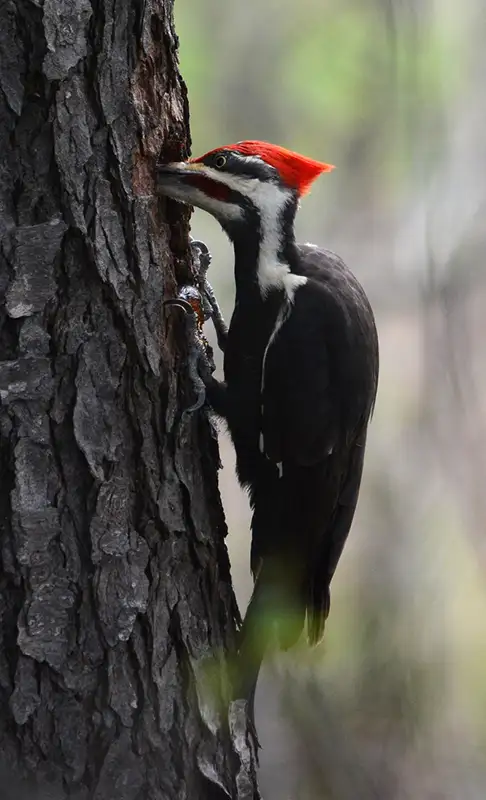
The tiny Downy Woodpecker, larger Red-bellied Woodpecker, flashy Northern Flicker and unmistakable Pileated Woodpecker can all turn a casual walk into an identification challenge. A Pileated Woodpecker is particularly memorable: large, black-bodied and crowned in red, it looks almost prehistoric when it sweeps through the trees.
Above you, Turkey Vultures are a common sight riding mountain thermals, while Red-tailed Hawks and other raptors reward anyone who gets into the habit of looking up.
Leveling Up: Appalachian Forest Birds
Once you have learned the backyard regulars, the mountains become considerably more interesting.
One of the great prizes of an Appalachian spring or summer is the Scarlet Tanager. The adult male’s scarlet body and black wings look almost too tropical for Eastern Kentucky, yet these birds inhabit mature forests throughout the region. Scarlet Tanagers have a documented history at Breaks and remain among the species highlighted by the park today.
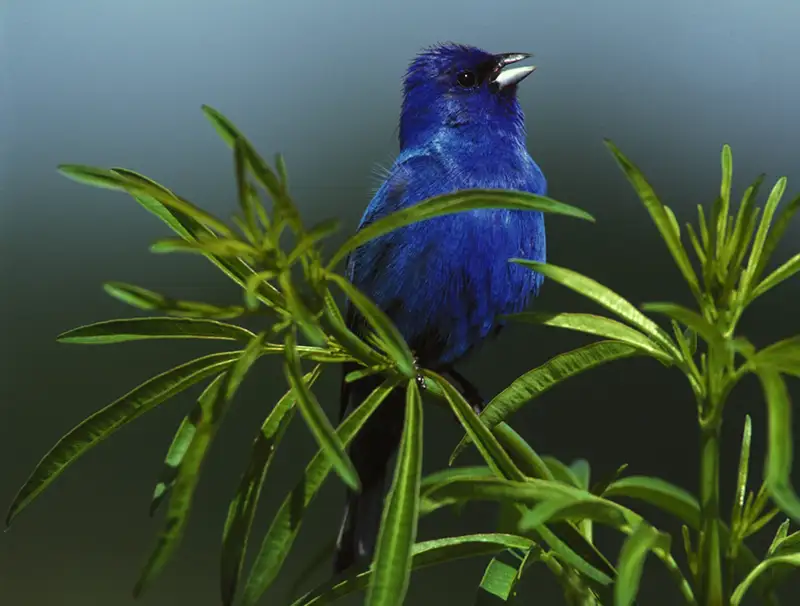
The electric-blue Indigo Bunting is another bird capable of stopping someone in their tracks. They favor somewhat more open and brushy habitat and can appear almost impossibly blue in good sunlight.
Summer Tanagers, Rose-breasted Grosbeaks, Eastern Towhees, Wood Thrushes, vireos and flycatchers add still more possibilities depending on habitat and season.
Then there is the Common Raven.
Most Americans are familiar with crows, but ravens are larger, heavier-billed and possess a deeper, rougher voice. The Appalachian Mountains represent important raven country in this part of the nation. Historical surveys documented ravens at Breaks and along Pine Mountain, and Kentucky forestry records have noted their regular occurrence from Pike County southwest through the Cumberland Mountains.
Spotting one soaring over a mountain ridge is an excellent reminder that Eastern Kentucky has wildlife many visitors do not expect to find here.
Then Come the Warblers
If ordinary backyard birds are the introduction to birding, warblers are where the game gets serious.
These small songbirds can be colorful, restless, difficult to see and maddeningly good at disappearing behind the exact leaf you are trying to look around.
Pike County and the Breaks region can host an impressive collection.
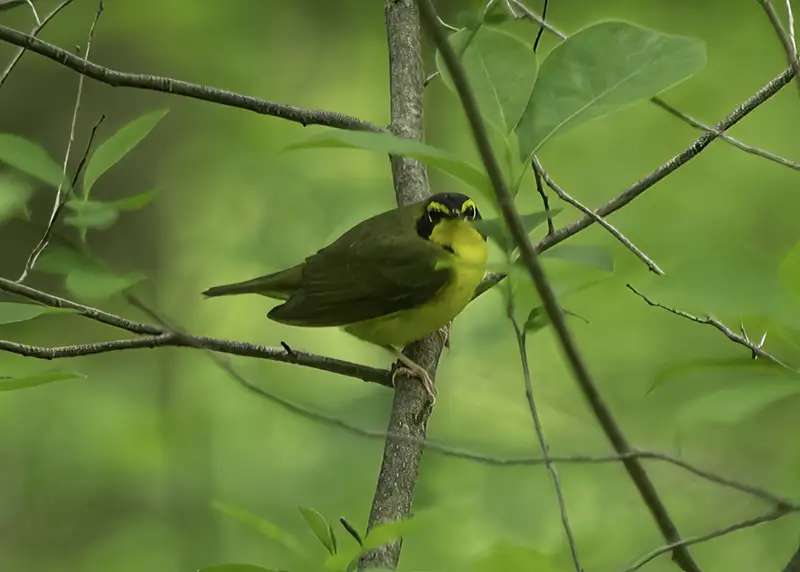
Among the species associated with Breaks Interstate Park are the Hooded Warbler, Kentucky Warbler, Black-and-white Warbler, Black-throated Green Warbler, Worm-eating Warbler, Louisiana Waterthrush, Northern Parula, Common Yellowthroat and others. During migration, the possibilities grow even larger.
The Hooded Warbler is one of the area’s standout birds. Adult males wear a striking black hood surrounding a bright yellow face, while their rich forest song is often your first indication that one is nearby.
Kentucky Warblers favor dense vegetation near the forest floor. Louisiana Waterthrushes are closely associated with shaded streams. Black-and-white Warblers behave almost like tiny woodpeckers, creeping along trunks and branches while searching for insects.
Learning habitat becomes part of the hunt.
Instead of merely asking, “What birds live in Pike County?” you begin asking, “What birds should be living right here?”
That is when birding becomes genuinely fascinating.
The Breaks Interstate Park “Rare Spawn”
And then there is the Swainson’s Warbler.
For birders visiting the Breaks region, this secretive little brown bird may be one of the most interesting species of all.
Swainson’s Warblers favor the dense, dark rhododendron thickets found in the southern Appalachians. They spend much of their time near the ground, using surprisingly powerful bills to turn over leaves while searching for insects and other small prey.
They are not flashy.
They are not easy.
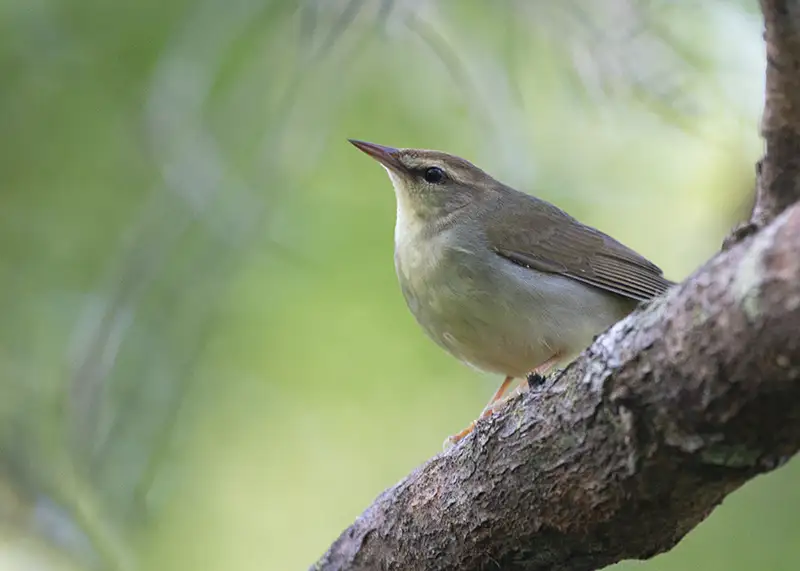
And that is precisely why finding one can be so satisfying.
Breaks Interstate Park is an important breeding location for the species. Researchers from Virginia Tech and Louisiana State University worked at the park in 2021 and 2022, fitting ten male Swainson’s Warblers with tiny tracking devices. Seven were successfully recovered when the birds returned.
The resulting research revealed an extraordinary journey: birds breeding at Breaks traveled south through Florida, used the Okefenokee region and spent the winter in the mountain forests of Cuba before returning to Appalachia in spring. The findings, published in 2024, helped document the species’ complete migration route in remarkable detail.
Think about that the next time you are standing in an Eastern Kentucky hollow.
A bird weighing only a fraction of a pound may have crossed hundreds of miles of land and open water to return to the same Appalachian mountainside.
That is considerably more impressive than anything appearing on a phone screen.
Falcons, Eagles and the Cliffs of the Breaks
For those who prefer their birds a little larger, Breaks Interstate Park delivers another remarkable target: the Peregrine Falcon.
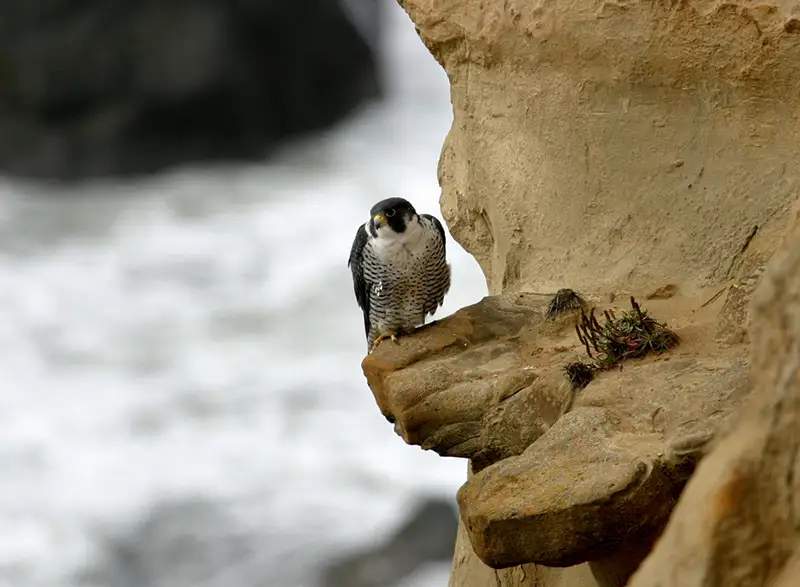
Peregrines once disappeared from much of the eastern United States following population crashes associated with pesticides such as DDT. Breaks had been one of the final places in Virginia where they were historically known to nest.
In 2007, Peregrine Falcons were released at the park as part of restoration efforts. Today, biologists continue returning during spring to monitor breeding birds that use the gorge’s cliffs.
The overlooks at Breaks are therefore more than scenic stops. They are excellent places to scan the sky and cliff faces.
Turkey Vultures, hawks and falcons take advantage of the rising air around the gorge, and the park also lists Osprey among its birding attractions. Bald Eagles are possible as well, although seeing one should still be considered a particularly good day.
During fall migration, those overlooks can become even more interesting as raptors move through the mountains.
Don’t Forget the Water
Mountain birding is not limited to the forest.
The Russell Fork River, Laurel Lake at Breaks, Fishtrap Lake and smaller waterways create opportunities to look for an entirely different collection of birds.
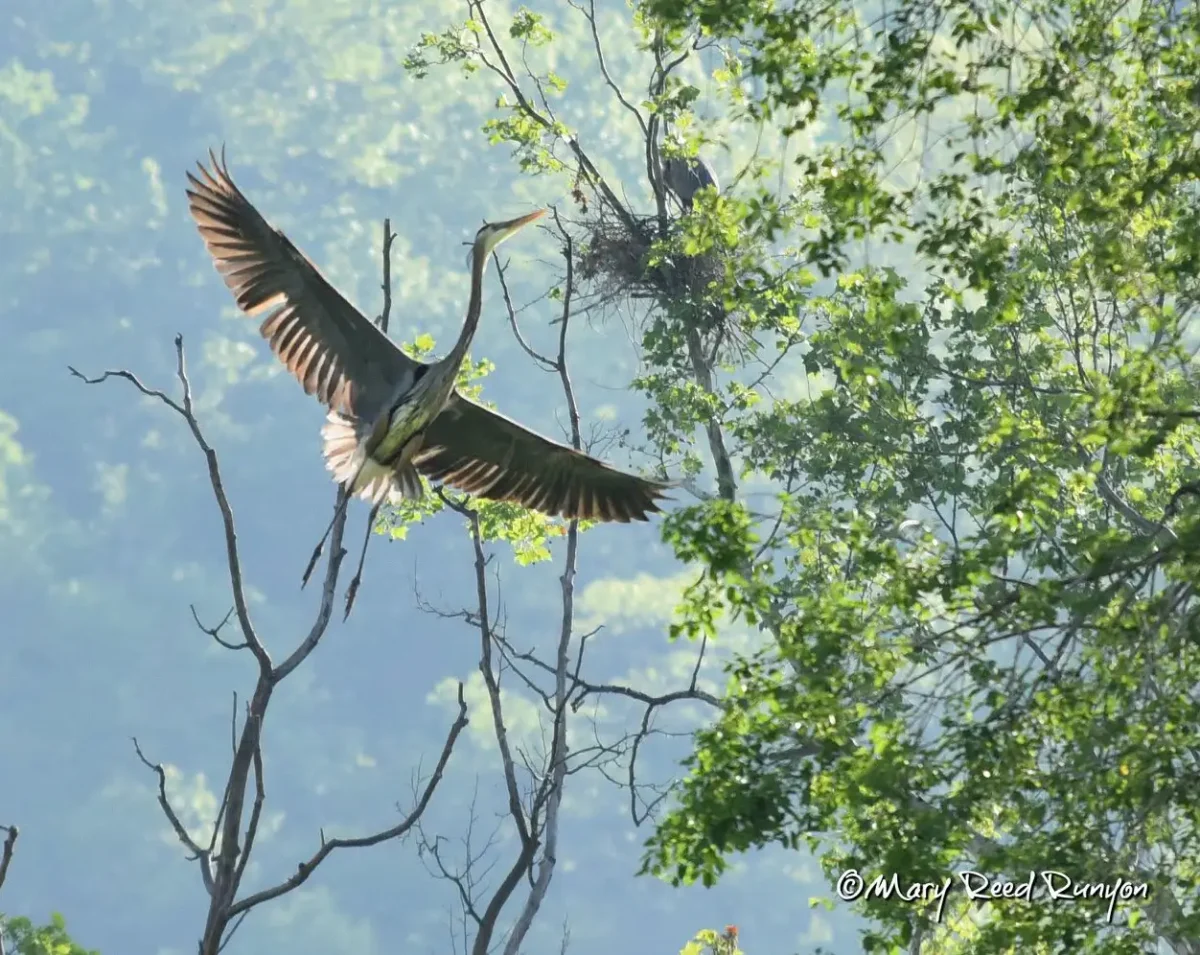
Great Blue Herons may be found stalking shallow water. Belted Kingfishers announce themselves with rattling calls as they patrol streams and lakes. Wood Ducks favor wooded waterways, and migrating ducks can appear on open water as seasons change.
Laurel Lake at Breaks serves as resting habitat for migrating waterfowl, and Ring-necked Ducks are among the species specifically highlighted by the park.
Fishtrap Lake is another especially interesting place to explore. The surrounding Fishtrap Lake Wildlife Management Area covers more than 13,000 acres, over 96 percent of it forested, with the Kentucky Department of Fish and Wildlife Resources specifically listing birding among the recreational opportunities available around the lake.
A lake visit can therefore produce an entirely different checklist from a morning spent on a wooded mountain trail.
Where to Try Birding in Pike County
You do not need to travel to one single designated birding location. That is part of the fun.
Breaks Interstate Park is the obvious destination for someone who wants to make birding a significant part of a Pike County trip. Its forests, rhododendron thickets, cliffs, overlooks and water habitats create opportunities ranging from warblers to raptors.
Fishtrap Lake Wildlife Management Area offers thousands of acres of mountain forest combined with open water, making it particularly useful for someone hoping to mix woodland birds with waterfowl and raptors.
Closer to downtown Pikeville, Bob Amos Park and its trail system provides an easy place to begin. A federal environmental review referencing eBird data reported 65 distinct bird species recorded from the Bob Amos Park & Trails hotspot across the checklists examined.
And sometimes the best birding spot is simply wherever you already happen to be.
Walk beside a creek. Sit quietly near the edge of a field. Watch the tree line behind your cabin. Look over the river. Take binoculars along when you hike.
Pike County’s mountains do not require you to visit a zoo to find wildlife.
You are already standing in the habitat.
Every Season Changes the Game
One of the best things about birding is that you never really finish it.
Spring brings migrating birds north and fills the forest with breeding songs. Summer offers nesting species and newly fledged young. Fall migration reshuffles the deck again, with songbirds and raptors moving through the mountains. Winter opens possibilities for different sparrows, waterfowl and cold-weather visitors.
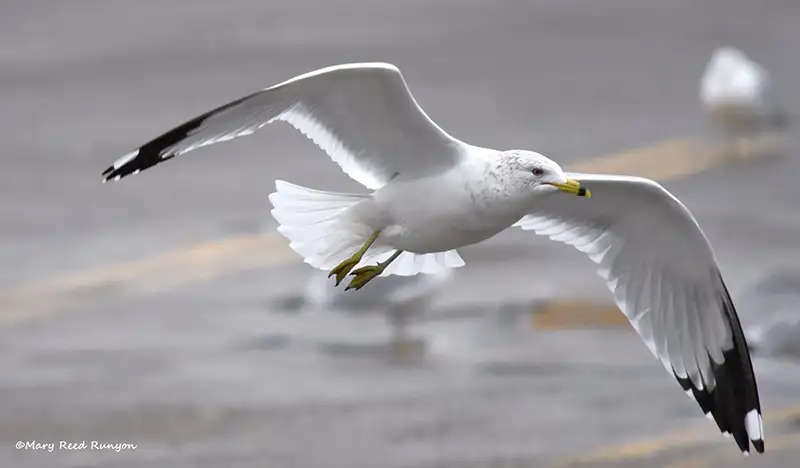
In Pokémon terms, the spawn table changes with the seasons.
Even the same trail can therefore become a different experience several times a year.
A bird you completely ignored in May might become exciting in December simply because it should not be there. A species that is common for three weeks during migration may vanish for the rest of the year.
And occasionally something genuinely unusual turns up.
That uncertainty is part of the appeal.
Your First Birding Trip Can Begin with One Bird
You do not need much to get started.
A decent pair of binoculars helps. Merlin Bird ID is an excellent companion for identifying unfamiliar sights and sounds. eBird can help you keep track of what you find and see what other birders have documented nearby.
But none of those things are absolutely necessary.
Start by noticing.
The next time you hear something singing in the woods, stop for a moment.
Find it.
Look at its size. Its shape. Its colors. Watch how it moves. Listen to the call. Try to identify it.
Maybe it is a Carolina Wren.
Maybe it is a Scarlet Tanager.
Maybe, if you are exceptionally fortunate and standing in the right patch of rhododendron at the right time of year, it is a Swainson’s Warbler that recently returned from Cuba.
That is the wonderful thing about birding.
You never know what is going to appear next.
So grab your binoculars, charge your phone and explore Pike County, Kentucky. Your next “lifer” could be waiting in the very next hollow.